What Moisturizes Hair
What Moisturizes Hair? The Truth About Water, Oils, and How to Fix Dry Hair Fast
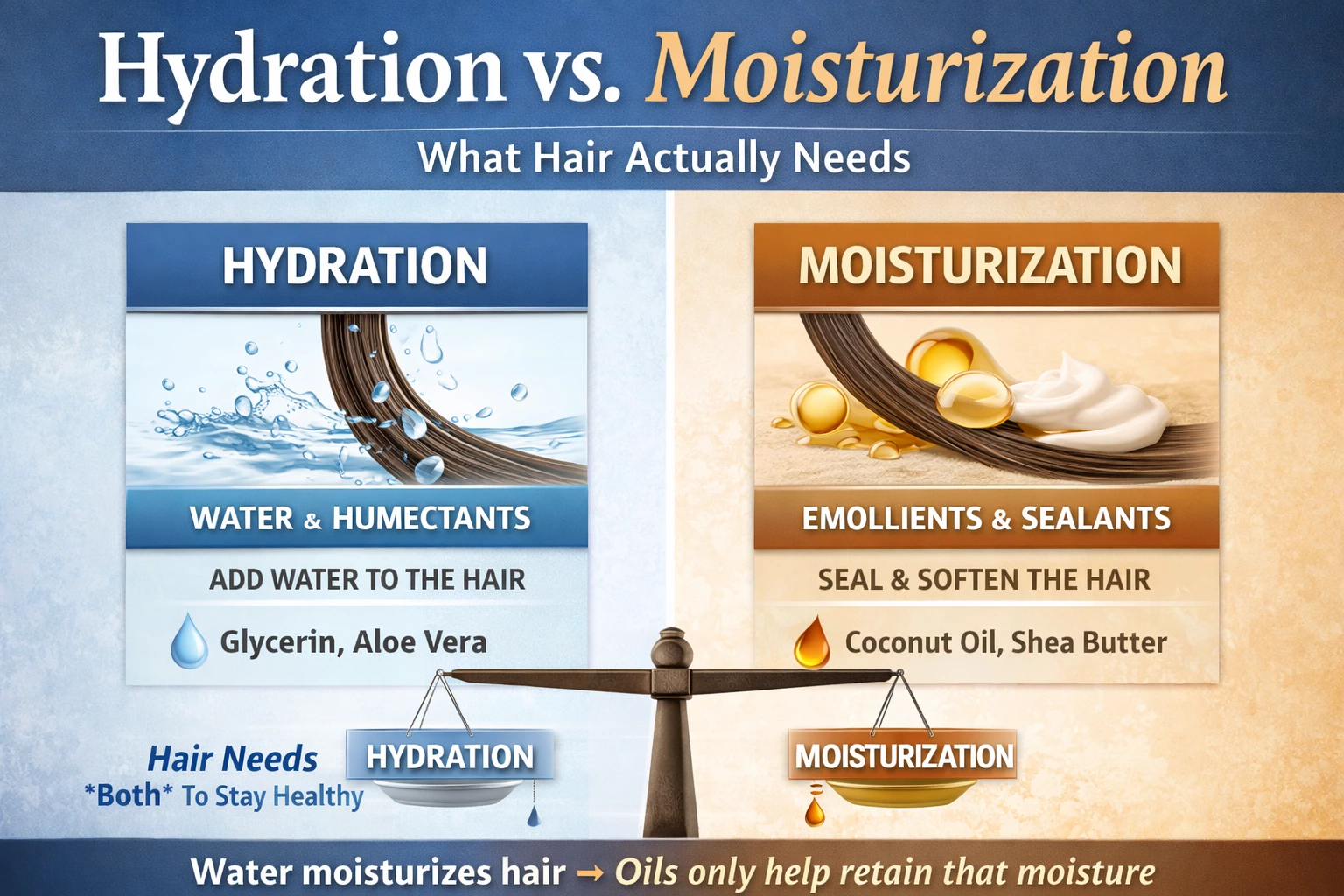
Hair is moisturized by water, supported by humectants that attract hydration, conditioning agents that soften the hair, and oils that help seal moisture in.
👉 Water hydrates hair — oils and conditioners help retain that hydration.
This is where most people go wrong. Many rely only on oils, but without water-based hydration, hair remains dry, brittle, and difficult to manage.
Hydration vs. Moisturization: The Most Important Thing to Understand
Before choosing any product, you need to understand this:
- Hydration = adding water into the hair
- Moisturization = softening and sealing that water inside
👉 Hair needs both to stay healthy.
Quick Rule (Easy to Remember)
- Dry hair → needs water + humectants
- Frizzy hair → needs conditioning + smoothing
- Brittle hair → needs moisture + protection
Why Your Hair Is Dry (Even If You Use Conditioner)
Most dryness problems come from these root causes:
1. Overwashing
Strips natural oils and disrupts moisture balance.
2. Heat & Chemical Damage
Lifts the cuticle → moisture escapes easily.
3. Hard Water & Environment
Mineral buildup blocks hydration.
4. Wrong Product Type
Heavy oils on fine hair or weak formulas on thick hair.
5. Hair Structure
Curly and coarse hair lose moisture faster by nature.
👉 When the cuticle is open, hair cannot retain moisture—no matter how much product you apply.
What Actually Moisturizes Hair (Backed by Formulation Logic)
From a hair care formulation perspective, effective moisture comes from combining different ingredient types.
1. Humectants (Hydration Layer)
- Glycerin
- Aloe vera
- Hyaluronic acid
👉 Pull water into the hair shaft.
2. Conditioning Agents (Softening Layer)
- Cetearyl alcohol
- Behentrimonium chloride
- Conditioning polymers
👉 Improve softness, slip, and manageability.
3. Emollients (Surface Smoothing)
- Coconut oil
- Argan oil
- Shea butter
👉 Reduce friction and enhance shine.
4. Occlusives (Sealing Layer)
- Oils (castor, jojoba)
- Silicones
👉 Lock moisture inside and prevent evaporation.
What Moisturizes Each Hair Type Best (Actionable Guide)
Fine Hair
- Use lightweight, water-based hydration
- Avoid heavy oils (can cause greasiness)
- Best: spray leave-in + light conditioner
Curly or Coily Hair
- Needs layered moisture
- Use leave-in + oil sealing method
- Deep condition regularly
Thick or Coarse Hair
- Benefits from richer creams and oils
- Shea butter and masks work well
Damaged or Bleached Hair
- Needs both moisture and structural support
- Focus on repairing cuticle + hydration
Common Mistakes That Keep Hair Dry
Fix these first before changing products:
- Applying oil on dry hair (no hydration layer)
- Washing too frequently
- Using hot water
- Skipping leave-in conditioner
- Using the wrong formula for your hair type
👉 In many cases, fixing these mistakes improves hair faster than buying new products.
A Simple Moisturizing Routine That Works
Follow this structure:
- Gentle moisturizing shampoo (2–3 times/week)
- Conditioner every wash
- Weekly deep conditioning mask
- Leave-in conditioner on damp hair
- Seal with oil if needed
- Protect from heat and UV
How to Choose the Right Moisturizing Shampoo (Most People Get This Wrong)
The shampoo you use determines whether your hair can retain moisture long-term.
From a formulation and manufacturing perspective, a good moisturizing shampoo should:
- Clean without over-stripping
- Include humectants for hydration
- Contain conditioning agents for softness
- Match your hair type (lightweight vs rich)
👉 Example of a Balanced Moisturizing Formula
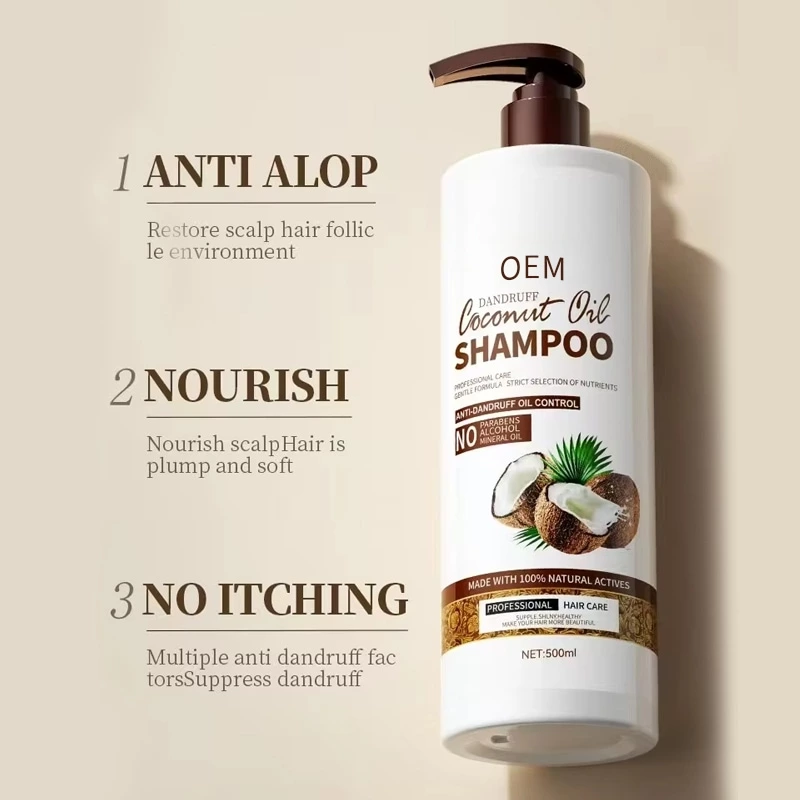
If you're looking for a solution that combines hydration and nourishment, you can explore:
https://www.dzbiology.com/shampoo/coconut-oil-shampoo
Coconut oil–based formulations are widely used because they:
- Help reduce protein loss
- Improve softness and smoothness
- Support moisture retention over time
👉 In product development, balancing oil content and hydration ingredients is critical—too heavy causes buildup, too light fails to repair dryness.
How to Tell If Your Hair Needs More Moisture
Look for these signs:
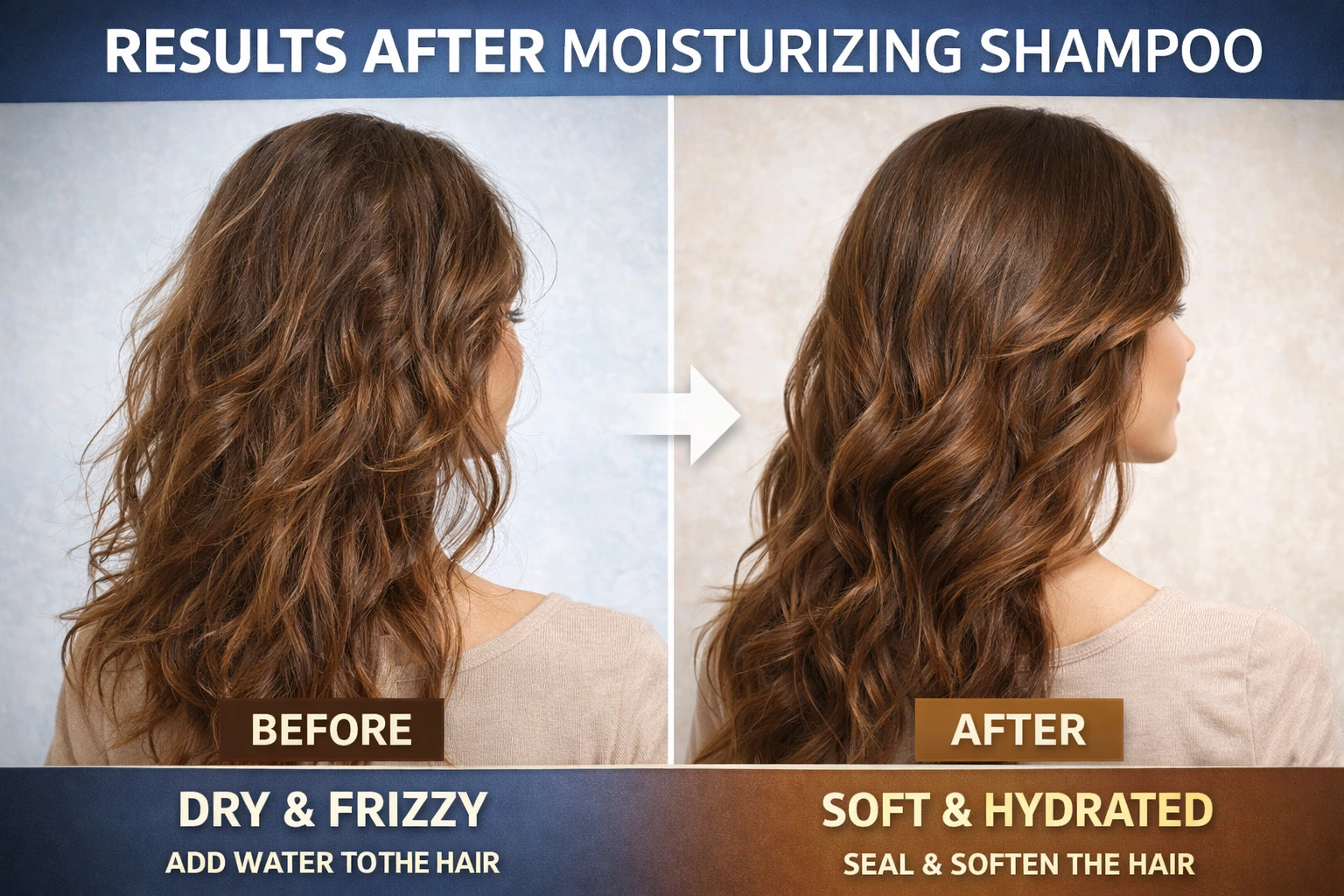
- Rough texture
- Frizz and static
- Breakage or split ends
- Lack of shine
- Tangling easily
👉 If your hair feels dry shortly after washing, your routine likely lacks hydration—not oil.
Risks of Not Moisturizing Hair Properly
Long-term dryness can lead to:
- Structural damage
- Increased breakage
- Reduced elasticity
- Thinning appearance
- Scalp irritation
FAQs
What hydrates hair better: water or oil?
Water hydrates the hair. Oils help seal that hydration.
Can I moisturize hair without making it greasy?
Yes—use lightweight, water-based products and avoid heavy oils if your hair is fine.
Why is my hair still dry after conditioning?
Possible reasons:
- Product buildup
- Heat damage
- No sealing step
- Wrong formula for your hair type
How often should I moisturize my hair?
- Dry/curly hair: every 2–3 days
- Normal hair: 2–3 times per week
Does oil alone moisturize hair?
No. Oils do not hydrate—they only help retain moisture.
Final Takeaway
👉 The best way to moisturize hair is to combine water-based hydration, conditioning, and moisture sealing based on your hair type.
If you only use oils without hydration, your hair will remain dry.
If you hydrate but don’t seal, moisture won’t last.
Balance is the key to healthy, soft, and manageable hair.