What Shampoo Is Best For Oily Hair?
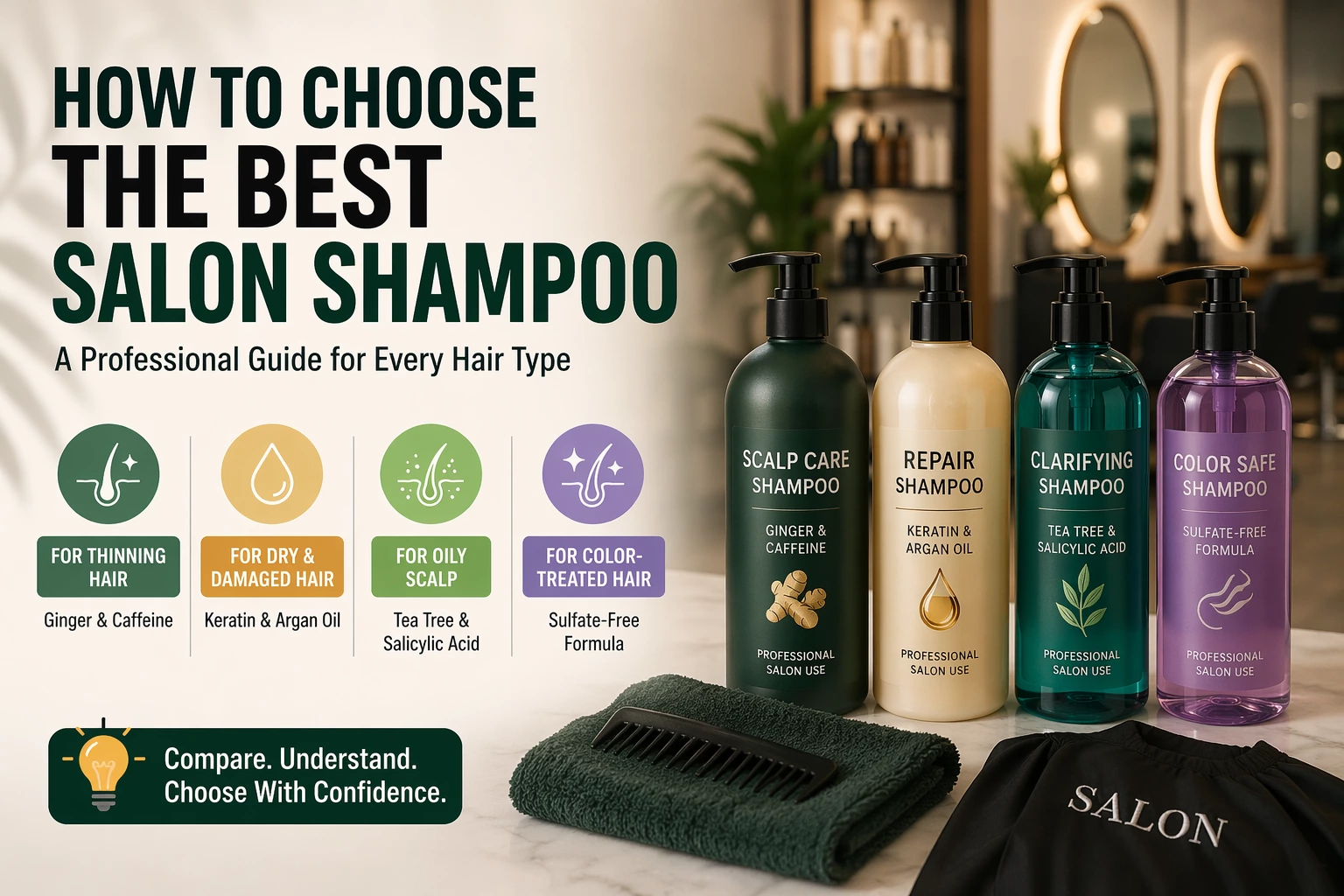
Best Shampoo for Oily Hair: Expert Guide by Scalp Type
The best shampoo for oily hair is not a generic product, but a professionally formulated oil-control shampoo designed based on your scalp condition.
For most people, the most effective options are:
- Balancing oil-control shampoos for daily oiliness
- Clarifying shampoos with ingredients such as salicylic acid or charcoal for buildup-prone scalps
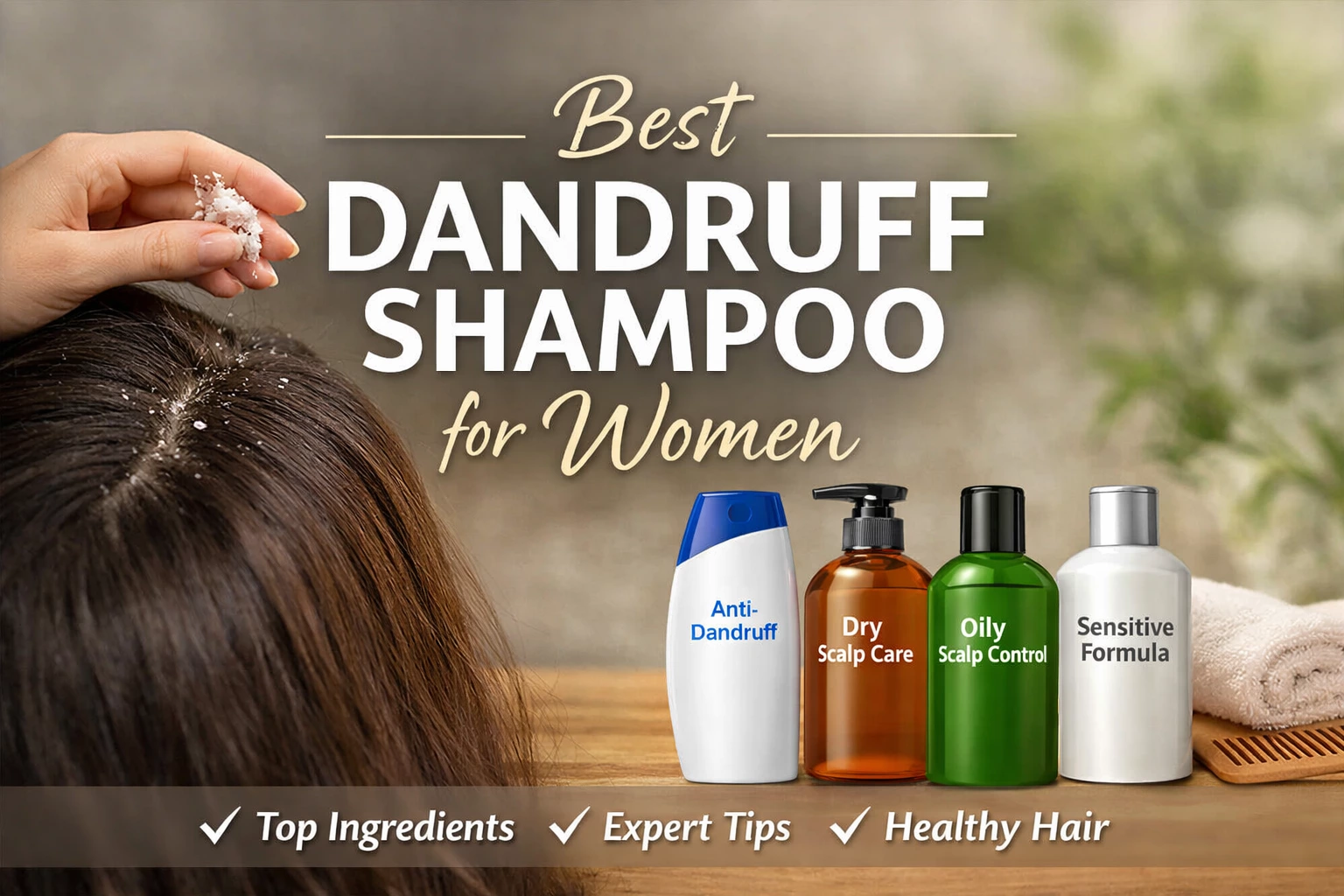
- Oily scalp + anti-dandruff shampoos for oil combined with flakes or irritation
Unlike standard shampoos that only focus on cleansing, well-designed formulations aim to remove excess sebum without over-stripping the scalp, helping reduce rebound oil production and maintain long-term scalp balance.
Quick selection guide:
- Hair becomes oily within 24 hours → choose a balancing shampoo
- Scalp feels coated or heavy → choose a clarifying shampoo
- Oily scalp with flakes or itching → choose an anti-dandruff formula

Quick Comparison: Choosing the Right Shampoo
| Your Situation | Best Shampoo Type | Key Ingredients | Avoid |
|---|---|---|---|
| Oily within 24h | Balancing | niacinamide, light surfactants | heavy oils |
| Buildup / coated scalp | Clarifying | salicylic acid, charcoal | daily harsh cleansing |
| Oily + dandruff | Anti-dandruff | exfoliating + scalp-support actives | purely cosmetic formulas |
| Oily roots + dry ends | Balancing | mild cleansing systems | strong clarifiers |
| Fine oily hair | Lightweight / volumizing | residue-free formulas | heavy silicones |
Why Hair Gets Oily So Fast
Oily hair is primarily driven by sebaceous gland activity in the scalp. These glands produce sebum to protect the skin barrier and hair fiber. However, when oil production exceeds what the hair can distribute, visible greasiness and buildup occur.
Key factors include:
- naturally high sebum production
- product buildup from styling products or dry shampoo
- using formulas that are too mild or too harsh
- scalp imbalance caused by irritation or over-cleansing
- fine hair structure, which shows oil faster
Managing oily hair is not just about stronger cleansing. The goal is to control oil, remove buildup efficiently, and maintain scalp balance.
Best Shampoo Types for Oily Hair
Balancing Shampoo (Daily Oiliness)
Best for regular oil production and frequent washing.
- removes excess oil without irritation
- supports scalp balance
- suitable for daily or frequent use
Clarifying Shampoo (Buildup & Residue)
Designed for deeper cleansing of oil and product buildup.
- uses stronger cleansing systems
- often includes salicylic acid, charcoal, or clay
- best used occasionally rather than daily
Best for:
- heavy styling product users
- dry shampoo users
- scalps that feel coated or congested
Anti-Dandruff Shampoo (Oily + Flakes)
Targets both oil and visible scalp flakes.
- supports scalp clarity
- improves comfort and cleanliness
Best for:
- oily scalp with flakes
- itchy or uncomfortable scalp
Lightweight Shampoo (Fine Oily Hair)
Designed to cleanse without weighing hair down.
- prevents residue buildup
- helps maintain volume
Best for:
- flat, limp hair
- fast oil appearance
Balancing Shampoo (Oily Roots + Dry Ends)
Ideal for combination hair types.
- moderate oil control
- gentle cleansing
- avoids drying the hair lengths
Ingredients That Actually Work for Oily Hair
Selecting the right shampoo depends on how ingredients work together within a formulation system.
Salicylic Acid
Helps exfoliate buildup and loosen excess oil.
Best for:
- buildup-prone scalp
- oily scalp with flakes
Tea Tree Oil
Commonly used for refreshing and scalp-conditioning effects.
Best for:
- oily scalp with discomfort
- users seeking a fresh feeling
Charcoal
Supports removal of oil, impurities, and residue.
Best for:
- heavy product users
- buildup-related oiliness
Clay
Helps absorb excess oil and purify the scalp.
Best for:
- fast oil accumulation
Niacinamide
Supports scalp balance and long-term oil control.
Best for:
- maintaining scalp health
Cleansing System (Surfactants)
The cleansing system is the most critical factor. A well-designed surfactant system removes oil effectively without triggering irritation or rebound oil production.
What to Avoid in Shampoo for Oily Hair
- heavy oils and rich butters
- overly conditioning formulas
- residue-heavy systems
- shampoos designed only for dry or damaged hair
The goal is a scalp that feels clean, balanced, and lightweight, not stripped or coated.
How Often Should You Wash Oily Hair?
There is no universal washing frequency.
Many people benefit from washing:
- daily or every other day
- especially in humid conditions or active lifestyles
The key factor is not frequency, but whether the shampoo matches your scalp condition.
Common Mistakes
- using strong clarifying shampoos daily
- ignoring scalp type differences
- using repair shampoos on oily scalp
- assuming sulfate-free always works better
- focusing only on oil removal instead of balance
How to Choose the Best Shampoo for Oily Hair
Use this simple guide:
- daily oiliness → balancing shampoo
- buildup → clarifying shampoo
- oily + flakes → anti-dandruff formula
- oily roots + dry ends → gentle balancing shampoo
- fine hair → lightweight shampoo
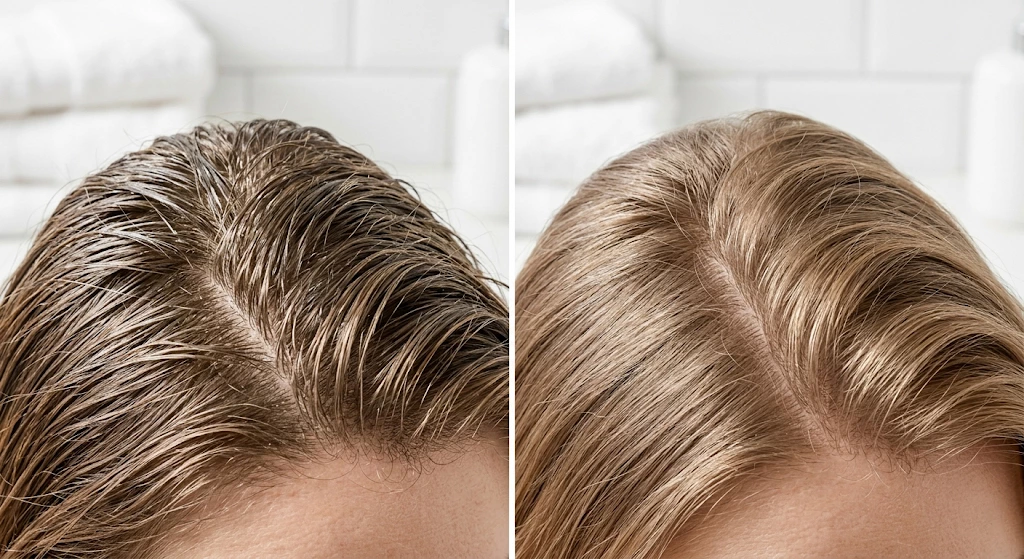
The best shampoo is the one that matches your specific scalp condition, not just oil level.
FAQ
What shampoo is best for oily hair?
A balancing, clarifying, or anti-dandruff shampoo depending on your scalp condition.
Is clarifying shampoo good for oily hair?
Yes, especially for buildup, but not always for daily use.
Can oily hair be washed every day?
Yes, if using a suitable gentle formula.
What if I have oily scalp but dry ends?
Choose a balancing shampoo rather than a strong clarifier.
Is sulfate-free shampoo good for oily hair?
It depends on the formulation. Some work well, others may feel too mild.
Final Answer
The best shampoo for oily hair is a formula-based solution tailored to your scalp condition.
- balancing shampoos for daily oil
- clarifying shampoos for buildup
- anti-dandruff formulas for oily scalp with flakes
Choosing the right formulation is more important than choosing the strongest cleanser.
For Brands: Developing Shampoo for Oily Hair
For haircare brands, oily-hair products require more than strong cleansing. Consumers expect formulas that control oil while maintaining scalp comfort and lightweight performance.
Successful shampoo development depends on:
- balanced cleansing systems
- targeted oil-control ingredients
- compatibility with different hair types
- clear product positioning (balancing, clarifying, anti-buildup, scalp care)
At DZ Biology, we provide formulation development, OEM/ODM manufacturing, and customized shampoo solutions for oil-control and scalp-care products.
👉 Explore our shampoo formulation and manufacturing services:
https://www.dzbiology.com/shampoo/garlic-anti-dandruff-shampoo
If you are developing a new product line or improving an existing formula, our team can support you from concept to production.